
If you’ve ever watched a pipeline crew struggle to shift a heavy pipe section into the right position, you already know the truth: pipe handling is where projects quietly win or lose time. Welding might get all the attention, but movement is what keeps the job flowing. When pipe movement is rough, unpredictable, or unsafe, everything slows down — alignment takes longer, coatings get damaged, and the whole site starts working around the problem instead of through it.
That’s where a Horizontal Pipe Roller becomes one of the most valuable tools on any pipeline project. It’s not flashy. It doesn’t look complicated. But the impact is immediate: smoother pipe movement, safer handling, and a noticeable improvement in work pace. Whether you’re managing a pipeline job in Oman, UAE, Vietnam, Nigeria, Algeria, Iraq, Malaysia, or handling supply for larger markets like the USA, Australia, Netherlands, or Spain, the need is the same. Pipes must move horizontally with control, without damage, and without putting crews at risk.
What is a Horizontal Pipe Roller?
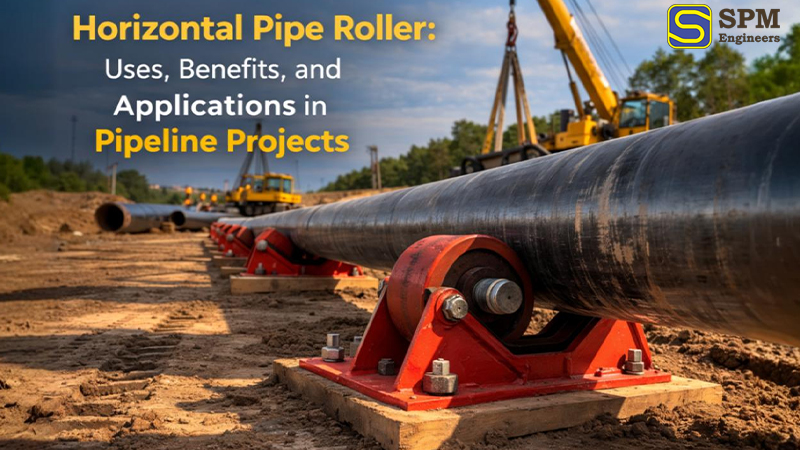
A Horizontal Pipe Roller is a specialised pipe handling tool designed to support and guide pipes during horizontal movement. Instead of dragging pipe sections across the ground (which is slow, damaging, and risky), the pipe sits on rollers that allow it to move smoothly with controlled force.The purpose is simple: reduce friction, reduce effort, and improve safety during pipe positioning. On pipeline sites, this is critical because pipes are heavy, often coated, and frequently moved multiple times before welding and final installation.
A well-built Horizontal Pipe Roller becomes part of the daily workflow. Crews use it for staging, alignment preparation, spool fabrication, and general pipe shifting. Once a team starts using rollers properly, it becomes hard to imagine going back to older methods.
Why Horizontal Pipe Movement Matters in Pipeline Projects
Pipeline work is full of repeated movement. Pipes are unloaded, staged, aligned, rolled, adjusted, and positioned again. Even in a well-organised yard, pipe movement is constant.
Without the right equipment, crews often rely on:
- manual pushing and pulling
- makeshift supports
- dragging pipes on uneven ground
- risky lifting adjustments
This is where time gets wasted and damage happens. It also creates avoidable safety hazards. Pipe rollers solve this by making movement predictable and controlled. And that’s the real value: not speed alone, but controlled speed.
In pipeline construction and fabrication, a few minutes saved per pipe movement can turn into hours saved across the project. That’s why procurement teams increasingly prioritise rollers when planning installation equipment.
Key Uses of a Horizontal Pipe Roller on Site
The most common uses of a Horizontal Pipe Roller include pipe staging, pipe alignment support, pipe rotation assistance (in some cases), and controlled movement into welding positions. One of the most practical uses is during pre-welding fit-up. Pipes must be positioned accurately, and rollers help crews make those micro-adjustments without brute force. Instead of lifting and resetting repeatedly, teams can roll and shift pipe ends into place smoothly.
Rollers are also widely used in fabrication yards, where pipe spools are built in sequence and moved between stations. In these environments, pipe movement is constant and must remain safe and efficient. For contractors working in markets like UAE, Oman, Kuwait, Iraq, and Egypt, rollers are especially useful because hot site conditions make heavy manual handling even more exhausting and risky. The same applies in Vietnam, Malaysia, Nigeria, and Tanzania, where terrain and outdoor work conditions can create movement challenges.
Benefits of Using a Horizontal Pipe Roller in Pipeline Projects
The benefits are straightforward, but they show up in multiple areas of the project.
- Faster Pipe Handling and Reduced Installation Time: Pipe rollers allow smoother and more controlled movement of heavy pipes. This reduces the time crews spend repositioning pipe sections. When movement becomes easier, the entire pipeline workflow speeds up naturally. This matters because pipeline welding teams often end up waiting for alignment and positioning. A roller system helps remove those delays.
- Better Protection for Pipe Surface and Coating: Many pipeline pipes come with protective coatings. Dragging them or placing them on rough supports can damage that coating. Even small coating damage can require repairs and inspections. A Horizontal Pipe Roller reduces surface contact friction and supports the pipe evenly. That means less scratching, less impact damage, and fewer coating repair jobs.
- Improved Safety on Site: Safety is not a marketing word in pipeline work. It’s a daily concern. Pipe rollers reduce the risk of uncontrolled pipe movement, slipping, or sudden shifts. They also reduce manual strain. When crews don’t have to force heavy pipe sections into position, the risk of injury drops. That creates a calmer site environment and a smoother workflow overall.
- Long-Term Durability in Tough Environments: The best rollers are built with high-quality materials and designed for demanding environments. That means they don’t just work for one project — they remain useful across multiple jobs. This is where buying from a reliable Horizontal Pipe Roller Manufacturer becomes important. Durable construction is not optional when the equipment will be used outdoors, around heavy pipe loads, and under daily site pressure.
- Versatility for Different Pipe Sizes and Configurations: A good roller design supports a wide range of pipe sizes and site configurations. This versatility makes it suitable for different pipeline projects, including construction, maintenance, and fabrication. For contractors handling multiple project types across different countries, versatility matters. A roller that supports different pipe diameters can be reused across sites in Oman, UAE, Algeria, Vietnam, Nigeria, and beyond.
Applications Across Industries
Although pipeline construction is the most common application, horizontal pipe rollers are also used in several other industrial settings.
They are widely used in:
- pipeline maintenance projects
- fabrication yards
- industrial piping installations
- utility pipeline works
- heavy pipe handling in workshops
This is one reason why global buyers consider rollers a long-term asset rather than a one-time purchase. Once you have a strong roller system, it becomes useful across multiple departments and job types. And yes, the demand is global. SPM Engineers has supplied equipment trusted worldwide in regions including Russia, USA, UAE, Australia, and Malaysia. That level of international usage matters because it reflects practical performance across different working environments.
What Makes a Horizontal Pipe Roller “Good” in Real Site Conditions?
Many buyers make the mistake of judging rollers by appearance. The truth is that rollers look simple. The difference is in how they perform under load and how long they keep performing without becoming a site headache.
A high-quality Horizontal Pipe Roller should deliver:
- stable support under heavy pipe loads
- smooth movement without jerking
- durability under outdoor conditions
- consistent performance with repeated use
- reduced risk of pipe damage
This is why experienced contractors prefer sourcing from a proven Horizontal Pipe Roller Exporter rather than a supplier with limited field experience. When the equipment is used across different countries, it must handle different site conditions. Desert sites in Oman and UAE, humid coastal environments in Vietnam and Malaysia, and rough terrain in Nigeria, Algeria, and Iraq all demand durability and practical design.
How to Choose the Right Horizontal Pipe Roller for Your Project
Buying the right roller is not complicated, but it does require clarity. Procurement teams and engineers usually start with the basics: pipe size, pipe weight, coating type, and site movement requirements.
Here are the most important selection points:
- Pipe diameter range required for the project
- Maximum load capacity based on pipe weight
- Surface protection needs (especially for coated pipes)
- Site terrain and working conditions
- Movement control required for welding fit-up and staging
This is also where supplier support matters. A reliable Horizontal Pipe Roller Manufacturer can guide buyers toward the correct configuration based on project requirements.
Why Export Capability Matters for Global Pipeline Projects
Pipeline work is global. Many contractors operate across multiple countries. Equipment sourced today may be used in a different region next year. That’s why buyers often prefer working with a trusted Horizontal Pipe Roller Exporter. Export-ready suppliers understand documentation, packaging, and shipping expectations. They also tend to have experience supporting international clients with technical clarity.
For projects in the USA, Australia, Netherlands, Spain, Kuwait, Egypt, and Venezuela, export capability is not a bonus. It’s part of the requirement. This is one of the reasons SPM Engineers continues to be chosen by global buyers. The company supports pipeline projects across borders, with equipment designed for field conditions and supply processes built for international clients.
Why Choose Us
When pipeline contractors invest in handling equipment, they want reliability more than anything. SPM Engineers is known for delivering strong, durable solutions for pipe handling and pipeline installation support. The company’s Horizontal Pipe Roller is built with high-quality materials for long-term durability and performance in demanding environments.
It is designed to facilitate smooth and controlled horizontal movement of pipes, helping reduce installation time and improving efficiency on site. Buyers also value the safety aspect, because the roller reduces the risk of pipe damage and workplace accidents. With trust from professionals in regions like Russia, USA, UAE, Australia, and Malaysia, SPM Engineers has become a dependable supplier for pipeline construction, maintenance, and fabrication needs. For many international buyers, SPM Engineers is a long-term partner, not just a one-time vendor.
Conclusion
A Horizontal Pipe Roller might look like a simple tool, but its impact on pipeline projects is significant. It improves pipe movement, reduces handling time, protects coatings, and supports safer working conditions on site. For pipeline construction, maintenance, and fabrication, rollers help crews move heavy pipe sections with control rather than force. That control reduces delays and keeps welding and alignment work flowing smoothly. Whether your project is in Oman, UAE, Vietnam, Nigeria, Algeria, Iraq, Malaysia, or global regions like the USA, Australia, Netherlands, and Spain, the right roller helps keep the project efficient and safe. With SPM Engineers, buyers get durable, site-ready equipment trusted worldwide.
For more information on Horizontal Pipe Roller: Uses, Benefits, and Applications in Pipeline Projects, call +91 9974928709 or email info@spmengineer.com to connect with SPM Engineers.
Key Takeaways
- A Horizontal Pipe Roller supports smooth pipe movement and reduces handling time.
- Rollers help protect coated pipes from scratches and surface damage.
- Controlled movement improves safety and reduces manual strain on crews.
- Durable construction matters most in harsh outdoor pipeline environments.
- SPM Engineers supplies rollers trusted globally across pipeline industries.
FAQs
What is a Horizontal Pipe Roller used for?
It supports pipes during horizontal movement, helping crews position and shift heavy pipes smoothly without dragging or damaging the surface.
How does a Horizontal Pipe Roller improve safety on site?
It reduces uncontrolled pipe movement and lowers the need for manual force, which helps reduce accidents and worker strain.
Can horizontal pipe rollers be used for different pipe sizes?
Yes, many roller designs support a wide range of pipe sizes, making them suitable for pipeline construction, maintenance, and fabrication.
Why buy from a Horizontal Pipe Roller Manufacturer instead of a general supplier?
Manufacturers typically offer better durability, correct load design, and equipment built specifically for pipeline handling conditions.
Does SPM Engineers export horizontal pipe rollers internationally?
Yes, SPM Engineers supports global supply as a reliable Horizontal Pipe Roller Exporter for pipeline projects worldwide.